
Posted: March 17, 2025
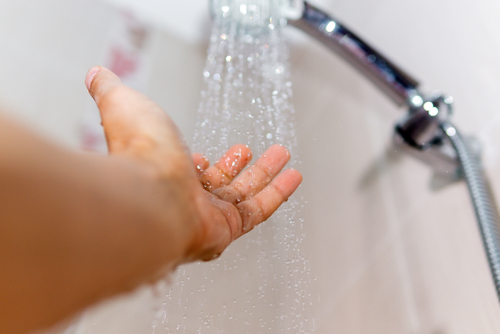 When was the last time you gave your water heater a second thought? Unless you were surprised by an icy shower, chances are it’s not on your mind too often. Yet, unlike your heating system or air conditioner, your water heater is something you rely on every single day. From showers and laundry to dishwashing, the average household goes through about 65 gallons of hot water daily. And during the winter months, your water heater has to work even harder to keep up, thanks to colder air and water temperatures.
The good news? Whether you have a traditional tank-style heater or a tankless model, water heaters require minimal upkeep. With some simple routine maintenance, you can extend its lifespan, improve its efficiency, and ensure it performs at its best—through winter and beyond.
Here’s what you should know:
What the heck is an anode rod? An anode rod prevents internal corrosion in your water heater’s tank. It’s a steel wire surrounded with aluminum, magnesium or zinc that mounts inside your water heater and attracts corrosive elements to itself rather than the tank lining.
Corrosion is one of the main culprits that can cause a tank-style water heater tank to rust, develop leaks, and eventually fail.
Typically, an anode rod will last at least a few years, but eventually, it will degrade to the point that it will no longer protect your tank. How long it lasts can depend on factors such as your water’s acidity and how much water you use. Using a water softener can shorten the lifespan of your anode rod by half. A regular maintenance check from our service team includes a check of your anode rod and replacement if necessary.
If you’ve made the switch to tankless water heating, you don’t need to worry about an anode rod. But you do need to flush the system once a year to ensure longevity and keep your unit operating well. If you have very hard water, you may need to do this twice a year.
The point is to remove scale buildup in the system. Scale can accumulate more quickly in tankless units and it will eventually affect performance if left unchecked. Some units (like those from Rinnai) will even remind you when it’s time to perform maintenance!
Most systems have flush kits installed that make it easy for you to run a vinegar solution through the unit in a loop. It’s not hard to do yourself if you feel handy, and manufacturers provide instructions, or you can have our pros perform the task for you.
If your water heater is hitting the end of its life, particularly due to tank corrosion, repair may not be an option. For easy maintenance plus the convenience of virtually unlimited hot water, switching to a high-efficiency tankless water heater may save you money in the long run.
Tankless water heaters offer several advantages. Tankless water heaters save energy by instantly heating water when you need it, rather than keeping a large tank hot all the time. As a result, you can enjoy virtually unlimited hot water—while seeing savings of up to 40%! They also last twice as long (or longer!) than a tank-style water heater.
Whether you’d like us to check your equipment, perform routine maintenance, or you’d like to talk to us about a new water heater for your home, our Superior team is ready to answer all your questions. Contact us today!